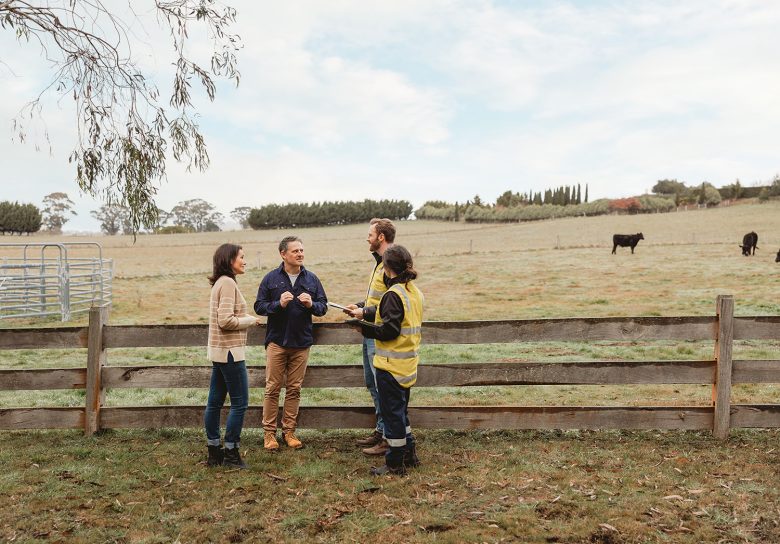
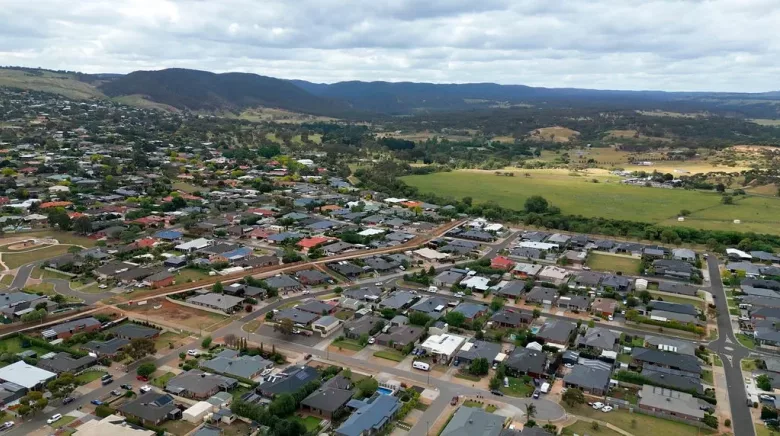
Neighbouring landholders are landholders who do not have a proposed easement on their property but live close to the proposed route.
Neighbouring landholders
Near Neighbour Benefit Program
AusNet is introducing a Near Neighbour Benefit Program for residents living close to the proposed Western Renewables Link (WRL), reflecting a strong commitment to community feedback and fair recognition of local communities.
Eligible landholders with a place of residence within one kilometre of the proposed transmission line easement may receive a one-off payment of $20,000 or $40,000, depending on proximity.
The program aligns with the draft VicGrid policy and will be updated to reflect the final version which will be published by VicGrid.
This initiative acknowledges that neighbouring landholders often share similar experiences to those directly hosting infrastructure and provides financial recognition of the important role they play in delivering critical infrastructure.
Payments will be made if the WRL project is approved and when construction begins. If the project receives the required approvals to proceed, eligible near neighbours will be able to apply for payments via this website.
If you have any questions or would like more information about the Near Neighbour Benefit Program or other landholder and community initiatives, please get in touch.
While a proposed route was presented in the Environment Effects Statement (EES), the route for the Western Renewables Link will be finalised through the approvals process.
The Minister's assessment confirmed that the project's environmental effects can be acceptably managed, subject to conditions including implementation of the Environmental Management Framework. Following publication of the assessment, the project's Planning Scheme Amendment (PSA) was gazetted on 30 September 2026. The approval of the PSA is a significant step in the approvals process for the project and establishes the planning controls for construction and operation of the project. Further State and Commonwealth approvals and consents are still required before construction can begin.
More information on the EES process can be found on our Environment Effects Statement page.
Additional resources